
Product Category
Chemical & Special Crane Systems
Project-engineered lifting systems for chemical, petrochemical, hazardous and corrosion-sensitive operations.
Product Overview
Lifting configurations defined by the actual chemical environment
The final crane configuration depends on hazardous-area classification, chemical exposure, operating frequency, maintenance access and applicable project requirements.
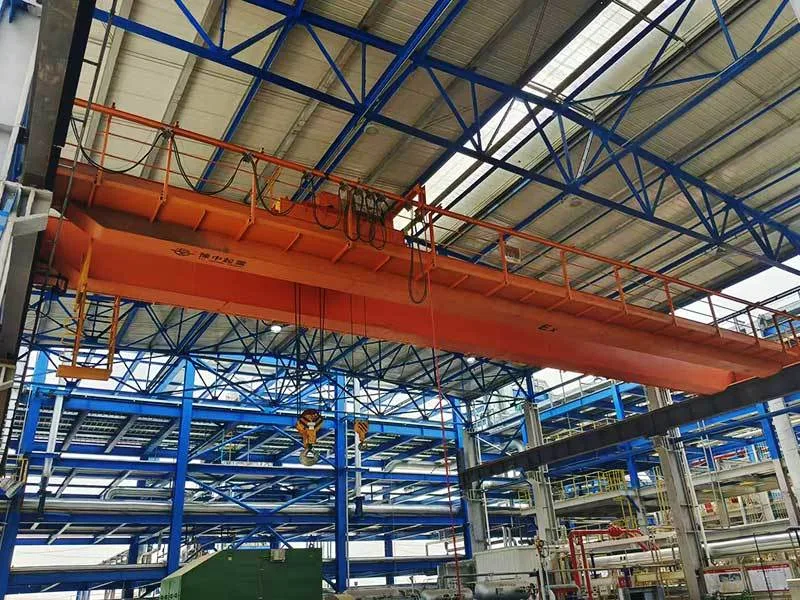
Explosion-Proof Overhead Cranes
Protected electrical and control configurations selected for confirmed hazardous-area requirements.
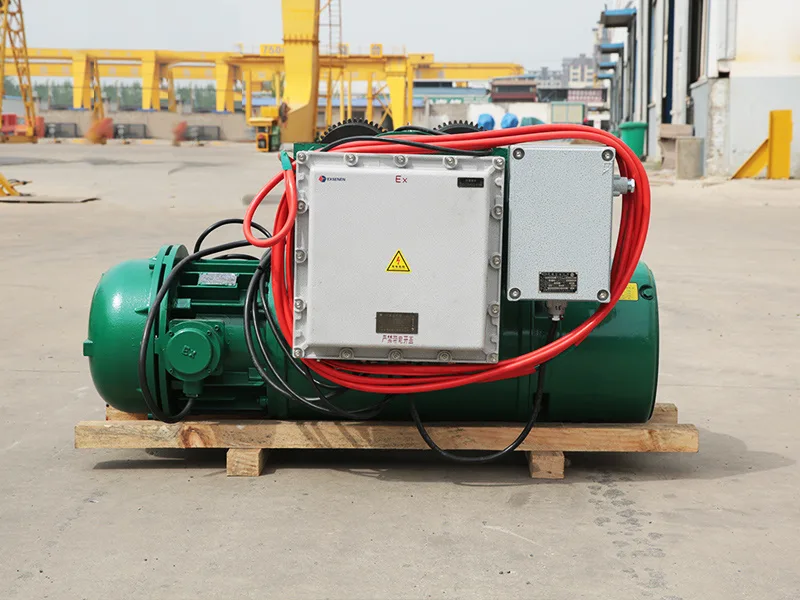
Explosion-Proof Electric Hoists
Hoisting units for maintenance bays, monorails and crane systems in classified areas.
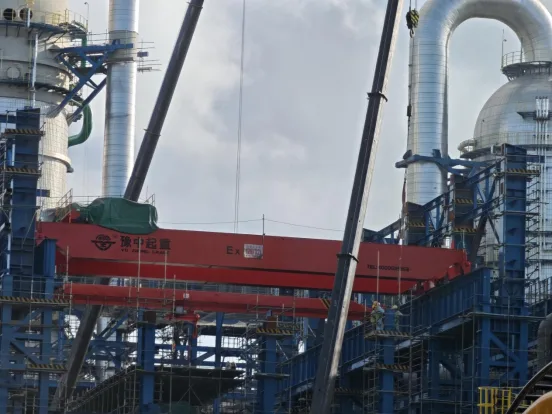
Maintenance Crane Systems
Lifting for reactors, pumps, motors, pipelines and process equipment.
Low-Headroom Crane Systems
Compact arrangements for restricted maintenance access or limited building height.
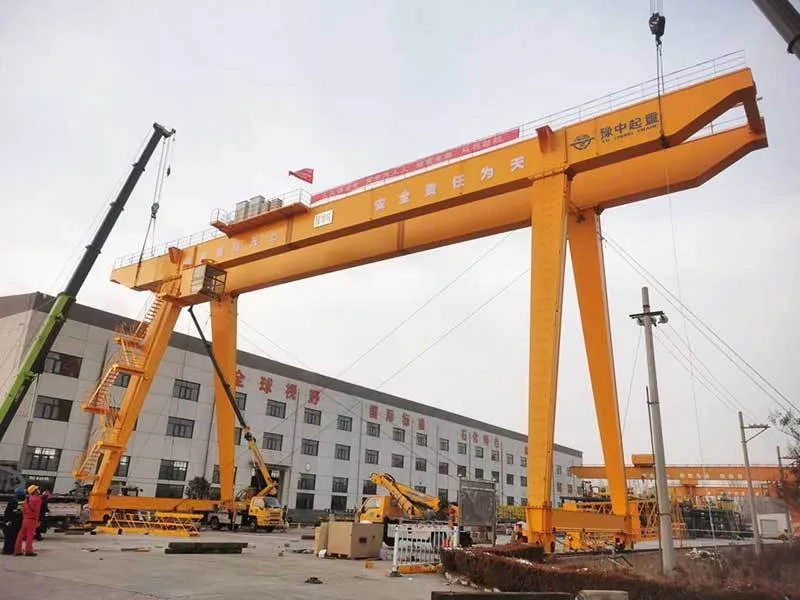
Outdoor Gantry Cranes
Outdoor systems considered where process equipment or storage areas require yard handling.
Selection Parameters
Information required for crane selection
Final dimensions and configurations are determined from the operating conditions and agreed technical scope.
- Capacity
- Project-specific; define maximum lifted load and lifting attachments.
- Span
- Clear distance and runway arrangement must be confirmed.
- Lifting Height
- Required hook travel and available building clearance.
- Duty Class
- Based on load spectrum, starts per hour and operating time.
- Travel Length
- Runway or yard travel distance.
- Power Supply
- Site voltage, frequency and phase.
- Control Method
- Pendant, remote or cabin control as required.
- Working Environment
- Indoor, outdoor, temperature, dust, moisture and chemical exposure.
- Corrosion Conditions
- Chemical substances, concentration, vapour, washdown and exposure duration.
- Hazardous-Area Classification
- Gas or dust group, zone/division and temperature class as defined by the project.
- Surface Treatment
- Coating system and protected materials according to exposure conditions.
- Maintenance Access
- Safe approach, platforms, hook coverage and removal path for process equipment.
Application & Options
Engineering around the operating environment
Available options depend on the selected crane, installation conditions and applicable project requirements.
Applications may include equipment installation, reactor maintenance, pump and motor handling, pipeline work, workshops, storage areas and outdoor equipment maintenance.
- Explosion-protected electrical components where required
- Protected control cabinets and suitable cable systems
- Remote control or low-voltage pendant
- Anti-corrosion coating system based on exposure
- Stainless or protected components where specified
- Limit switches, emergency stop, monitoring and anti-sway options
- Inspection records and technical documentation according to agreed scope
Manufacturing & Inspection
From fabrication to documented inspection
Fabrication, machining, assembly, electrical installation, inspection and load testing are organized according to the confirmed technical scope.
Chemical & Petrochemical
Operating conditions, risks and project data for chemical plants.
Explore Chemical & Petrochemical →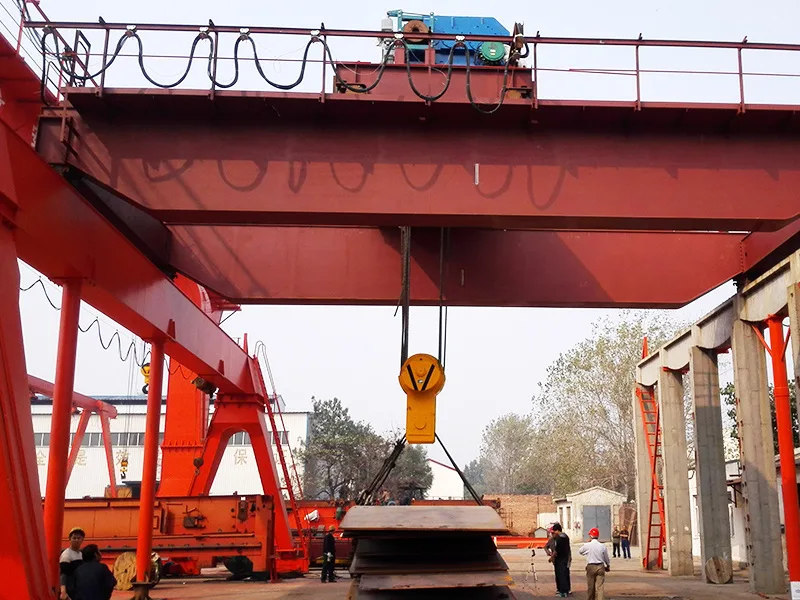
Overhead Cranes
Bridge-crane structures configured to the building and duty.
Explore Overhead Cranes →Electric Hoists
Protected hoisting units for maintenance and process support.
Explore Electric Hoists →FAQ
Procurement questions
What information is required for a chemical plant crane?
Provide the load, span, lifting height, duty, hazardous-area classification, chemical exposure, control method, maintenance access and applicable project requirements.
How is hazardous-area classification used in crane design?
It guides the selection of electrical protection, equipment category, temperature limitations and installation details. The project classification must be supplied or confirmed by the responsible engineering party.
Can a crane be configured for corrosive conditions?
Yes. Coatings and protected components may be selected according to the actual chemicals, concentration, vapour, washdown and exposure duration.
What control methods are available?
Pendant, remote and cabin control may be considered according to visibility, hazardous-area requirements and process conditions.
Can technical drawings and inspection documents be provided?
Drawings, inspection records and agreed technical documents can be included according to the confirmed supply scope.
How should maintenance access be considered?
Confirm equipment removal paths, hook coverage, building clearances, platforms and safe access before finalizing the crane layout.
Project Enquiry
Send the operating parameters for a technical proposal
Please include capacity, span, lifting height, duty class, working environment and available drawings.