

Industry Solution
Cranes for General Manufacturing
Practical lifting systems for production lines, assembly areas, machine shops, maintenance bays and warehouses.
01 / Industry conditions
Production flow and lifting frequency matter
Crane coverage should support the real material flow without obstructing equipment, doors, services or production operations.
- Production-line material movement
- Assembly and positioning
- Machine maintenance
- Tool and fixture handling
- Warehouse and dispatch support
- Restricted headroom in existing buildings
AI-generated industry illustration02 / Crane requirements
Information that shapes the crane specification
Final equipment selection depends on the real process, environment and project requirements.
- Capacity
- Project-specific; define maximum lifted load and lifting attachments.
- Span
- Clear distance and runway arrangement must be confirmed.
- Lifting Height
- Required hook travel and available building clearance.
- Duty Class
- Based on load spectrum, starts per hour and operating time.
- Travel Length
- Runway or yard travel distance.
- Power Supply
- Site voltage, frequency and phase.
- Control Method
- Pendant, remote or cabin control as required.
- Working Environment
- Indoor, outdoor, temperature, dust, moisture and chemical exposure.
03 / Yuzhong systems
Crane types commonly evaluated for this industry
Recommendations are confirmed only after the load, duty, layout and environment are reviewed.
Single Girder Overhead Cranes
Efficient general workshop handling.
Explore Single Girder Overhead Cranes →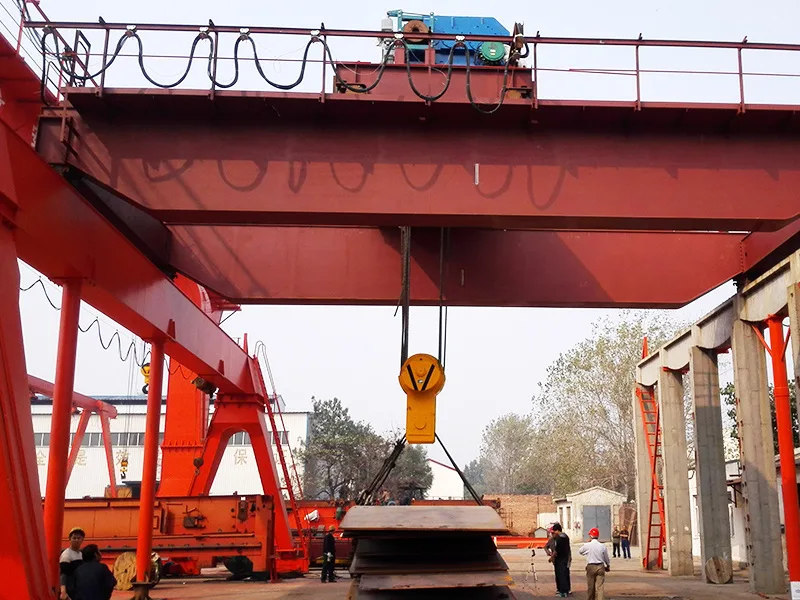
Double Girder Overhead Cranes
For higher loads and demanding assembly operations.
Explore Double Girder Overhead Cranes →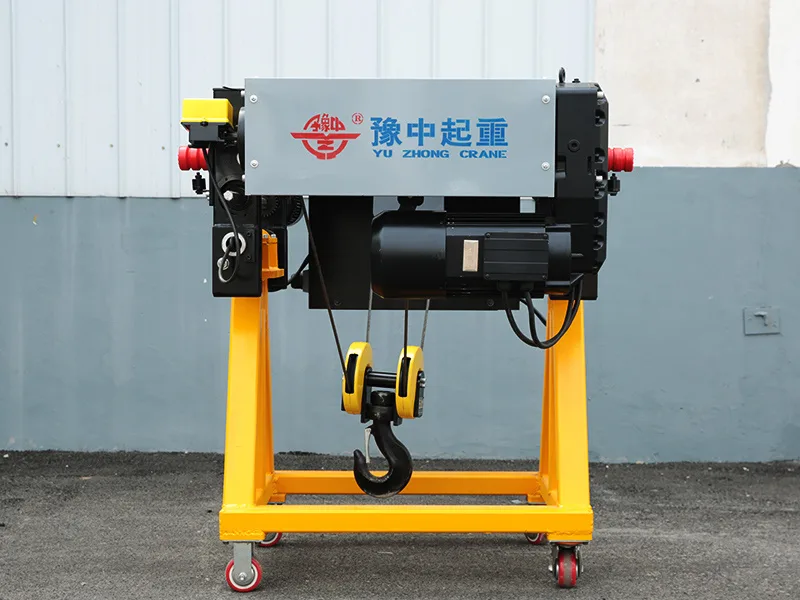
Project planning
Project planning questions
Can a crane be installed in an existing workshop?
Yes, after the building, runway capacity, clearances and installation access are reviewed.
What is important for production-line lifting?
Cycle time, positioning, hook coverage, interference and operator visibility should be defined.
Can low-headroom cranes be supplied?
Low-headroom arrangements may be evaluated for buildings with limited clearance.
How is installation planned?
Building access, lifting equipment, runway readiness, power supply and commissioning scope must be coordinated.
Project Enquiry
Plan a Manufacturing Crane
Provide the load, span, lifting height, duty, layout, operating environment and applicable project requirements.